
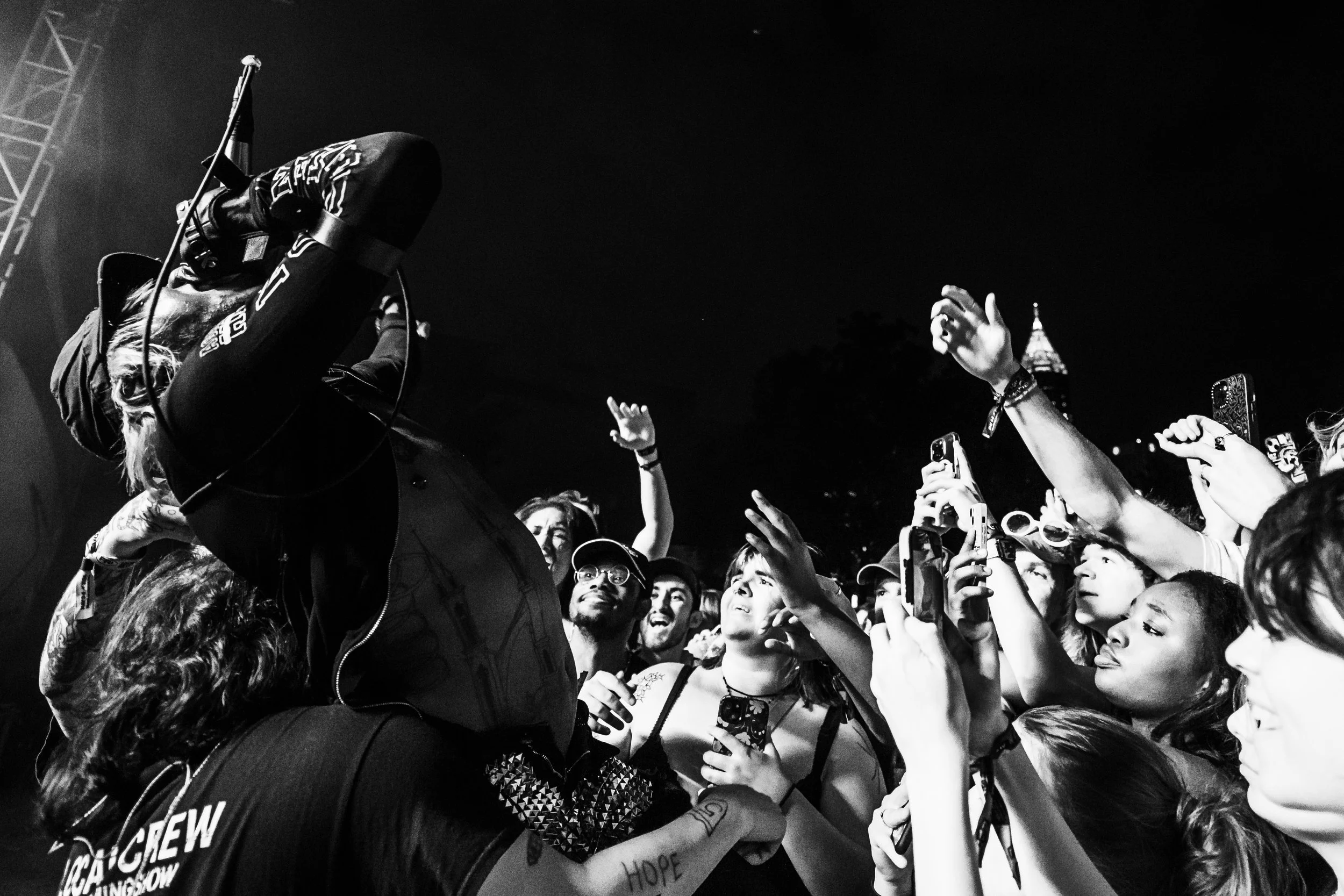
Music is experienced through sound, but remembered through emotion—and often, through imagery. Long after a song fades or a tour ends, photographs remain as visual markers of creative moments, artistic evolution, and cultural impact. This is the power of music artist photography. More than documentation, it transforms fleeting performances and personalities into lasting visual stories. When executed with intention and artistry, these images become iconic music photos that define eras, movements, and identities.
From intimate studio portraits to electrifying live-performance shots, music photography bridges the gap between sound and sight, helping audiences connect more deeply with the artists they admire.
Why Music Artist Photography Matters in the Modern Music World
In today’s digital-first landscape, visuals are often the first point of contact between an artist and their audience. Before a song is streamed or an album is played, fans encounter images—on social platforms, press releases, posters, and editorial features. Strong music artist photography sets the tone for how the music is perceived.
High-quality imagery helps artists:
- Establish a recognizable visual identity
- Communicate mood, genre, and personality
- Build emotional connection with fans
- Stand out in a saturated industry
- Create consistency across albums, tours, and promotions
Photography doesn’t just support the music—it amplifies it.
What Makes a Music Photo Truly Iconic
Not every artist’s photo becomes iconic. Some images transcend their original purpose and enter the collective memory of music culture. These iconic music photos often share several defining qualities.
1. Emotional Authenticity
Iconic photos capture genuine emotion—joy, rebellion, vulnerability, intensity, or freedom. They feel real, not staged.
2. Perfect Timing
The most memorable music photos are often taken at pivotal moments: a breakthrough performance, a creative turning point, or an era-defining release.
3. Strong Visual Composition
Lighting, framing, contrast, and movement all contribute to how powerful an image feels. Even chaotic live shots rely on technical mastery.
4. Cultural Relevance
When a photo reflects the spirit of its time—fashion, attitude, social change—it resonates beyond the music itself.
5. Alignment With the Artist’s Sound
An image becomes iconic when it visually mirrors the artist’s music, message, and persona.
These elements transform photography into cultural artifacts rather than simple promotional tools.
The Role of Live Performance Photography
Some of the most powerful iconic music photos are captured on stage. Live performance photography freezes moments of raw energy that fans experience in real time.
Live music photos often succeed because they show:
- Movement and emotion
- Crowd interaction
- Artistic intensity
- Unfiltered expression
- The physicality of performance
These images help fans relive concerts long after the lights go down and often become defining visuals associated with specific tours or eras.
Studio and Portrait Photography: Shaping Artistic Identity
While live shots capture energy, studio portraits define identity. Carefully planned music artist photography sessions allow artists to explore who they are visually—and who they want to become.
Studio and environmental portraits are used for:
- Album covers
- Press kits
- Editorial features
- Tour promotion
- Brand partnerships
These photos often shape how audiences interpret an artist’s music. Minimalist portraits suggest introspection. Bold styling may signal experimentation or reinvention. Every choice—wardrobe, lighting, background—communicates something intentional.
Behind-the-Scenes Photography and Authentic Storytelling
Candid, behind-the-scenes photos play an important role in building trust and connection. Fans are drawn to moments that feel personal and unscripted.
Behind-the-scenes music photography may include:
- Studio recording sessions
- Tour travel moments
- Pre-show rituals
- Creative collaboration
- Quiet, reflective downtime
These images humanize artists and often become fan favorites because they feel intimate and real. Over time, they contribute to the collection of iconic music photos that reveal the full story—not just the spotlight moments.
How Iconic Music Photos Influence Culture
Music photography doesn’t exist in isolation. The most impactful images influence fashion, design, media, and future creatives.
Iconic music photos often:
- Inspire fashion trends
- Influence album artwork styles
- Shape editorial photography
- Define visual eras in music history
- Become reference points for future artists and photographers
They are frequently reused, reinterpreted, and referenced across decades—proof of their lasting power.
The Photographer’s Role in Creating Iconic Images
A skilled photographer does more than press a shutter. They interpret sound, personality, and atmosphere through visual language.
Successful music artist photography requires:
- Understanding the artist’s vision and sound
- Anticipating moments rather than reacting
- Balancing technical skill with creative intuition
- Building trust with the artist
- Knowing when to guide—and when to step back
Many iconic photos exist because the photographer recognized a moment before it fully unfolded.
Why Professional Music Photography Still Matters in a Digital Age
While smartphones and social media make images instantly accessible, professional photography remains essential. Quality, storytelling, and longevity separate iconic images from disposable content.
Professional music photography offers:
- High-resolution, archival-quality images
- Consistent branding
- Thoughtful composition
- Visual storytelling depth
- Long-term cultural value
Many iconic music photos that continue to define artists decades later were created with intention, patience, and craftsmanship—not haste.
How Artists Use Photography to Control Their Narrative
Artists today are more involved than ever in shaping their image. Photography allows them to tell their story on their own terms.
Through intentional visuals, artists can:
- Reinvent themselves
- Signal creative evolution
- Connect with new audiences
- Preserve legacy
- Align visuals with musical direction
Photography becomes a form of authorship—one that complements the music itself.
Music may begin with sound, but its legacy is often visual. Through powerful music artist photography, fleeting moments become lasting impressions, and emotional experiences turn into iconic music photos that define generations. These images shape how artists are remembered, how culture evolves, and how music history is preserved. When photography captures truth, timing, and creative vision, it doesn’t just document music—it becomes part of it.


